
8 min read
Bean Bags: Types, Fillings and Buying Advice
Everything you need to know about choosing, filling and caring for a bean bag, from classic drop shapes to garden versions.
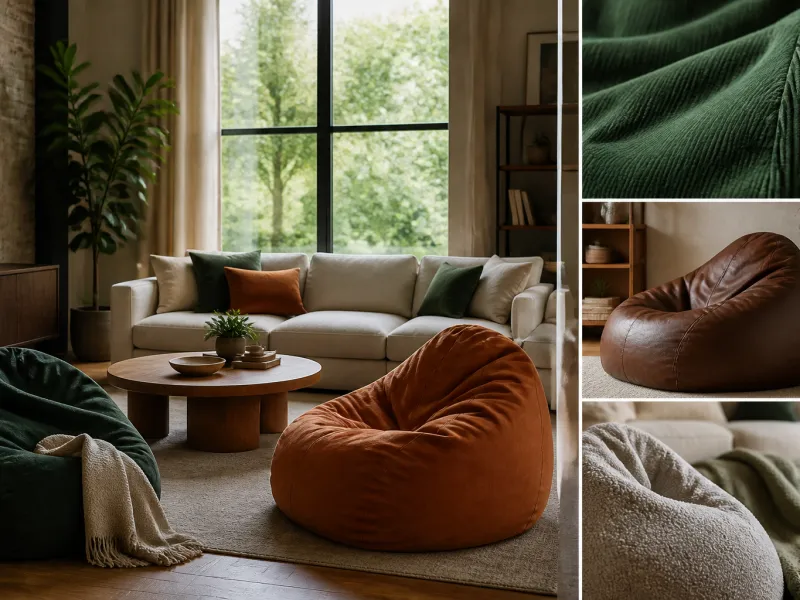
A bean bag is one of the most relaxed forms of seating you can bring into a home. Instead of a rigid frame and fixed cushions, it relies on a soft, moving filling that shifts and settles around your body, so every seat is slightly different depending on how you sink into it. Bean bags work equally well as a single reading nook, a second seat in a living room, or a whole cluster of casual seating in a games room or teenager's bedroom.
Because there is no timber frame, no springs and no fixed cushion foam, a bean bag is also lighter, cheaper to make and far easier to move than a conventional armchair. This guide looks at the shapes available, the fillings used inside them, indoor and outdoor covers, how to top up a bean bag that has gone flat, and how to keep one safe around small children.
01
Types and shapes of bean bags
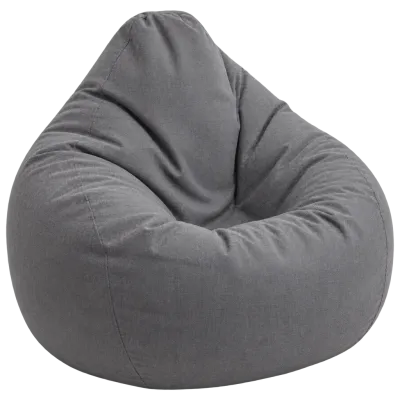
The classic bean bag is a rounded, teardrop shaped bag that puffs up into a rough sphere when empty and flattens into a wide seat once you sit in it. This traditional shape remains popular because it moulds to almost any sitting position, from upright to fully reclined.
Alongside the classic shape, several other forms have become common:
- Pear or teardrop bags: wider at the base, narrower at the top, good for lounging with your back supported.
- Bean bag chairs with a defined back and arms: stitched sections create a more structured, chair like silhouette while keeping the soft filling.
- Bean bag sofas and loveseats: elongated, bench shaped bags built for two people, often used as a casual alternative to a small sofa.
- Floor cushions and low pods: flatter, lower profile bags that sit closer to the ground, popular for floor seating around a coffee table.
- Gaming bean bag chairs: contoured shapes with a raised back and sometimes built in armrests, designed for long sessions in front of a screen.
Sizing matters as much as shape. A bag meant for one adult typically measures around 90 to 110 cm (35 to 43 inches) across when filled, while children's versions are usually 60 to 80 cm (24 to 31 inches). Oversized lounger bags can exceed 150 cm (59 inches) and comfortably seat two people or one adult stretched out fully.
 Matching productBeanbagAmazon →
02
Fillings: EPS beads, shredded foam and natural options
The filling is what makes a bean bag work, and different materials give a noticeably different feel underfoot and under the body.
| Filling | Feel | Notes |
|---|---|---|
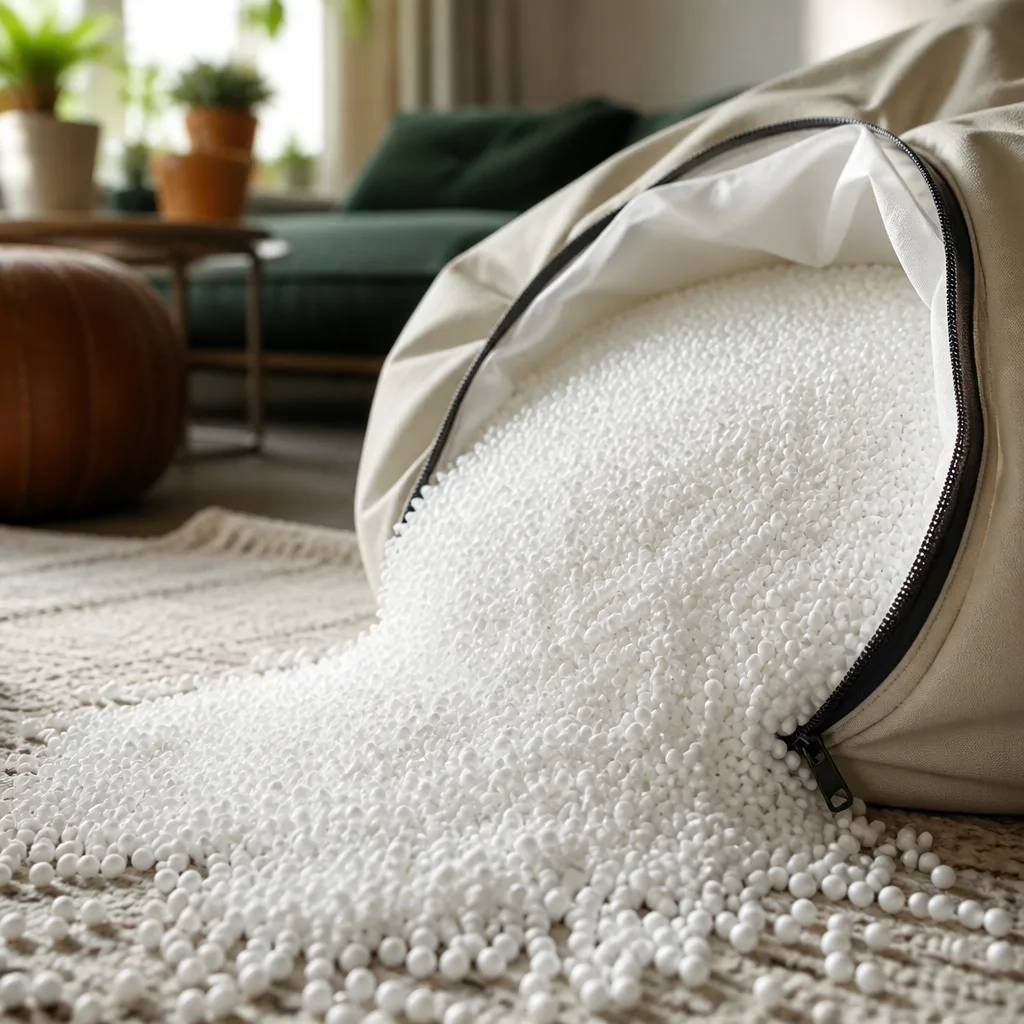
| Expanded polystyrene (EPS) beads | Light, crunchy, moulds closely | The classic bean bag filling, very lightweight, compresses over time and needs topping up |
| Shredded memory foam | Soft, slow moving, cushioned | Heavier than beads, holds body heat more, often blended with beads for a plusher feel |
| Recycled foam offcuts | Firm, chunky, supportive | A more budget friendly and often more sustainable filling, less refined feel than beads |
| Natural fillings (buckwheat hulls, millet husks) | Dense, grounded, quiet | Heavier bags, used mostly in floor cushions rather than large lounging bags |
Many manufacturers now combine two fillings, for example a core of EPS beads with a shredded foam topper, to balance the light, moving support of beads with the plusher surface of foam. If you are sensitive to noise, be aware that pure EPS bead fillings can produce a faint rustling sound when you move, which some people find soothing and others find distracting.
03
Indoor and outdoor covers
The outer cover determines where and how a bean bag can be used, and it is worth choosing deliberately rather than as an afterthought.
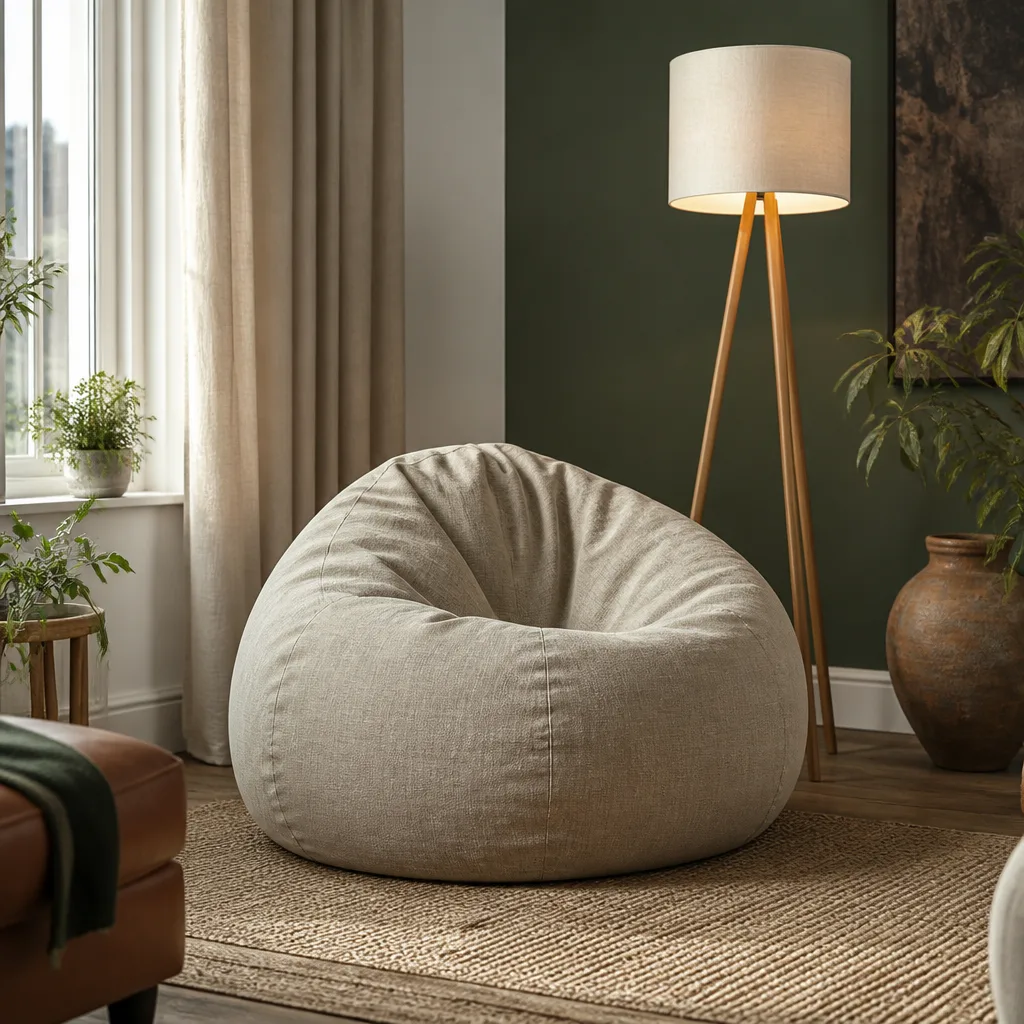
Indoor covers are usually made from woven cotton, linen blends, corduroy, faux suede or velvet. These fabrics feel pleasant against skin, come in a wide range of colours, and are comfortable in a living room or bedroom, but they are not designed to cope with rain, direct sun or damp ground.
Outdoor and garden bean bags use weather resistant fabrics such as solution dyed polyester or coated polyester, sometimes with a water repellent finish. These covers resist fading in sunlight and shed light rain, though most should still be brought indoors or covered during heavy or prolonged wet weather, since the inner liner and filling are rarely fully waterproof. Look for a bean bag described as suitable for outdoor use, rather than assuming an indoor model will tolerate a patio or balcony.
A well made bean bag has two layers: an inner liner that holds the filling securely, and a removable outer cover with a separate zip. This two zip construction is a useful safety and practical feature, since it means the outer cover can be washed without ever exposing the filling.
04
Refilling a bean bag that has gone flat
Bean bags lose volume over time as the filling compresses and settles, particularly with EPS beads, which can shrink by up to a third of their original volume within the first year or two of regular use. This is normal and does not mean the bag is faulty.
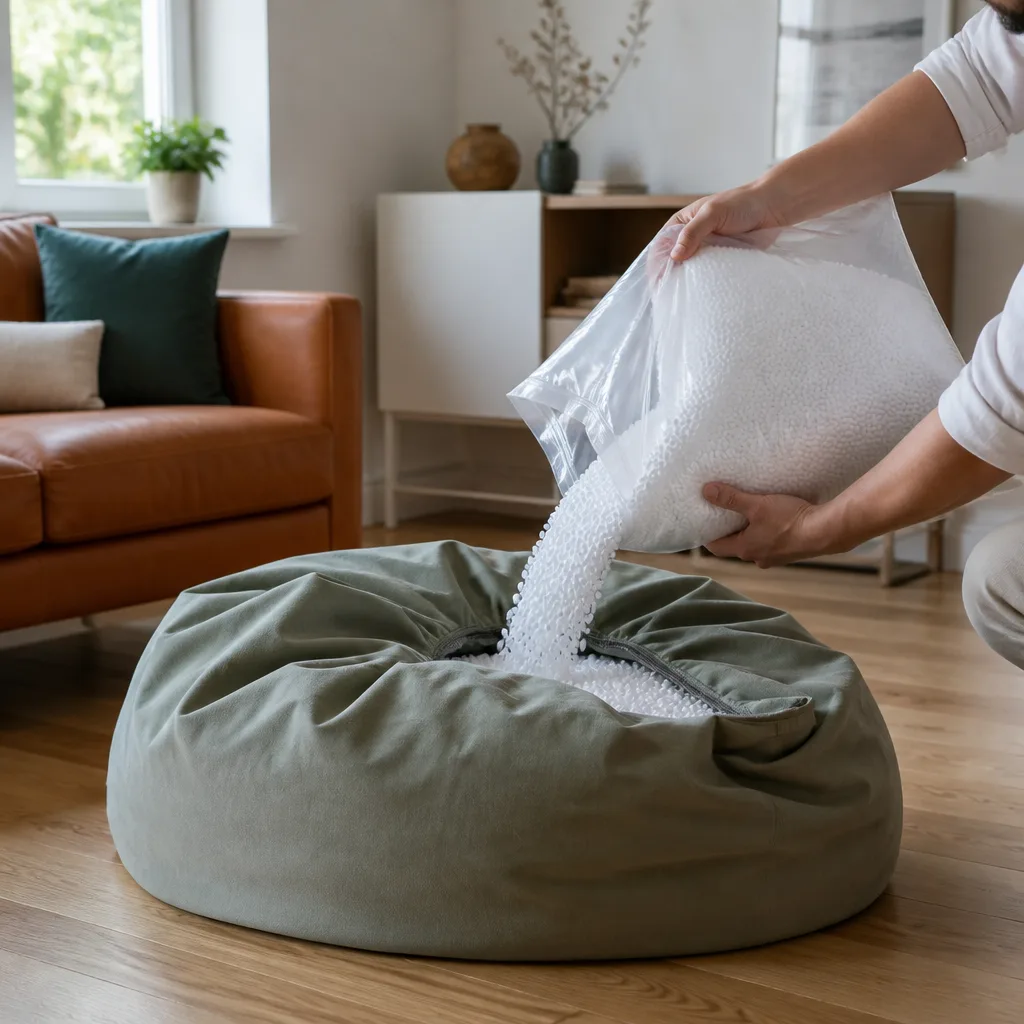
Refilling is straightforward. Most brands sell replacement bead or foam packs sized for a specific bag. To top up a bag, open the inner liner's fill zip, add filling gradually, and check the shape and firmness as you go rather than emptying the whole bag in one go. Filling to roughly 80 to 90 percent capacity generally gives the best balance between support and the ability to mould around your body.
If you are refilling outdoors or in a well ventilated space, be aware that loose EPS beads carry static and float easily in the air, so working slowly and using a funnel helps keep the mess to a minimum.
05
Safety with small children
Bean bags are popular in children's rooms and playrooms, and most are entirely safe when a few basic points are respected. The main hazard is not the bag itself but access to the loose filling inside, which can be a choking risk for very young children if swallowed in quantity.
When buying a bean bag for a household with small children, look for these features:
- A double zip system with the inner liner's zip sewn shut, locked with a zip tie, or fitted with a child safety lock, so it cannot be opened by curious little fingers.
- An inner liner made from a tougher, tightly woven fabric that resists tearing.
- A filling that meets recognised flammability and toy safety standards where the bag is marketed for children.
It is worth checking a bean bag's zips periodically, especially after a few years of use, since repeated sitting and moving can gradually work a zip pull loose. If you notice any small beads escaping through a seam or zip, treat this as a sign to repair or replace the liner rather than leaving it.
06
Bean bags for gaming and reading
Two of the most common everyday uses for a bean bag are gaming and reading, and each benefits from a slightly different shape.
For gaming, a contoured chair style bag with a raised back gives your shoulders and neck support during long sessions, and a firmer filling, such as a foam and bead blend, holds its shape better under sustained pressure than very soft, low density beads. Positioning the bag at a comfortable distance and angle from a screen, with good lighting nearby, makes a real difference to comfort over time.
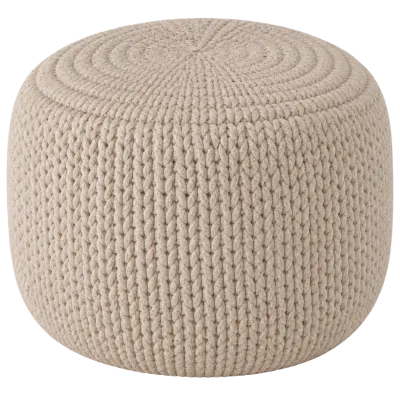
For reading, a rounder, deeper bag that you can sink into at an angle, with a book or a cup of tea within reach, tends to work best. Pairing a bean bag with a small side table or a floor lamp turns a corner of a bedroom or living room into a dedicated reading spot. See our living room ideas for more ways to build a cosy seating corner around a bean bag or a pouf.
 Matching productPoufAmazon →
07
Care and cleaning
Routine care keeps a bean bag looking fresh and extends its life considerably.
- Fluff and reshape the bag regularly by lifting and gently shaking it, which redistributes the filling and stops it settling permanently in one area.
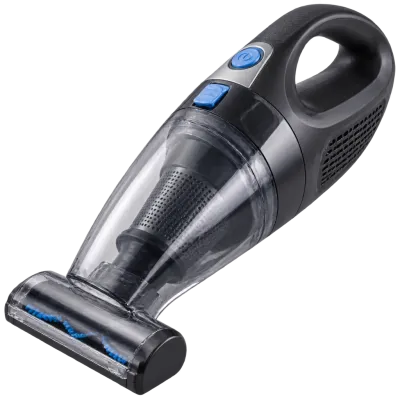
- Vacuum the outer cover with a soft brush attachment to remove dust and pet hair between washes.
- Check the cover's care label before washing: many removable covers are machine washable at low temperatures, while others, particularly suede or velvet finishes, need spot cleaning or a specialist clean.
- Keep the bag out of direct, prolonged sunlight where possible, since UV exposure can fade fabric colour over time, and air it occasionally to prevent a build up of moisture inside.
If you use the bean bag with pets or young children in the house, our guide to sofas for pets and kids covers fabric choices and cleaning routines that apply just as well to bean bags.
 Matching productHandheld upholstery vacuumAmazon →
08
Frequently asked questions
How long does a bean bag last?
With normal household use, a good quality bean bag typically lasts several years before the filling needs a significant top up. The cover often outlasts the filling and can simply be paired with fresh beads or foam when needed.
Can I mix old and new filling when topping up?
Yes. Mixing existing compressed filling with fresh beads or foam is normal practice and gives a more even result than emptying and refilling from scratch.
Are bean bags suitable for people with back problems?
A bean bag offers flexible, body hugging support rather than the firm, structured support of a chair or a structured sofa. Some people find this comfortable, while others with specific back concerns may prefer a firmer seat with better lower back support.
What is the best filling for a family bean bag?
A blend of EPS beads and shredded foam is a popular middle ground, combining the lightness and mouldability of beads with the softer, more cushioned surface of foam.
Can a bean bag be used outdoors all year round?
Only bean bags specifically designed and labelled for outdoor use should be left outside, and even then it is best to bring them in or cover them during heavy rain, snow or prolonged damp conditions to protect the filling and stitching.
Explore
Read next
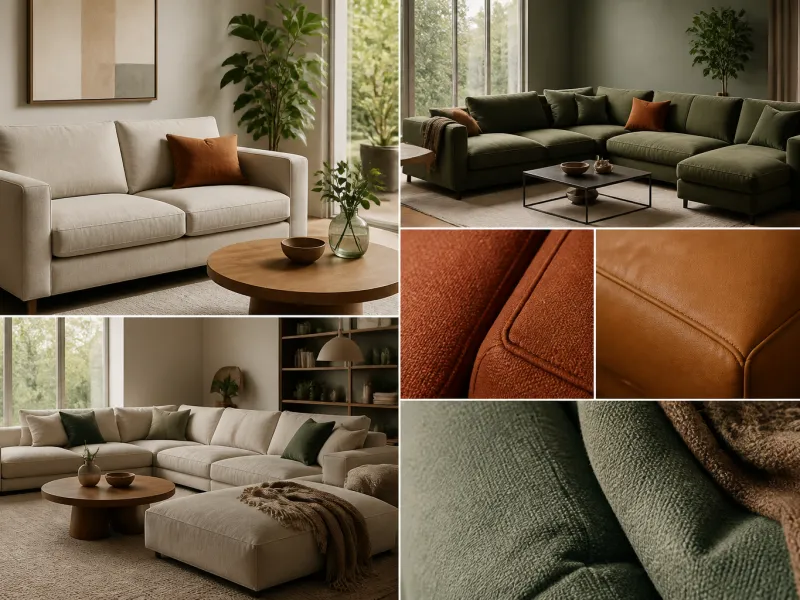 Sofa Types Explained: From Two Seater to SectionalAn overview of common sofa types, with a comparison table and links to deeper guides on sizing, materials and care.
 Sofa Buying Guide: How to Choose the Right SofaA step-by-step guide to buying a sofa, from measuring your room to checking frame, springs, foam and upholstery.
 Sofa Care and Cleaning: A Guide by MaterialHow to clean and care for your sofa by material, with cleaning codes, a care table and quick stain first aid.