
8 min read
Sofa Care and Cleaning: A Guide by Material
How to clean and care for your sofa by material, with cleaning codes, a care table and quick stain first aid.
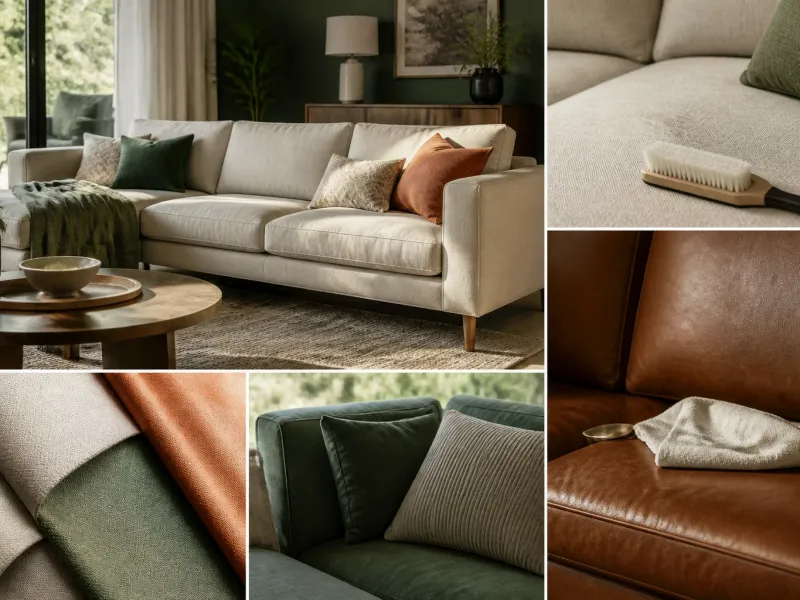
A sofa is used more than almost any other piece of furniture in a home, and small, regular habits do more for its long term appearance than any single deep clean. This guide goes through routine care, sunlight and rotation, quick first aid for stains, care by material, cleaning codes, and living with pets, so you can look after whatever you already own.
Always check the manufacturer's own care label or instructions first where you have them, since fillings, finishes and treatments vary between products even within the same material category.
01
Routine care: vacuuming and rotating cushions
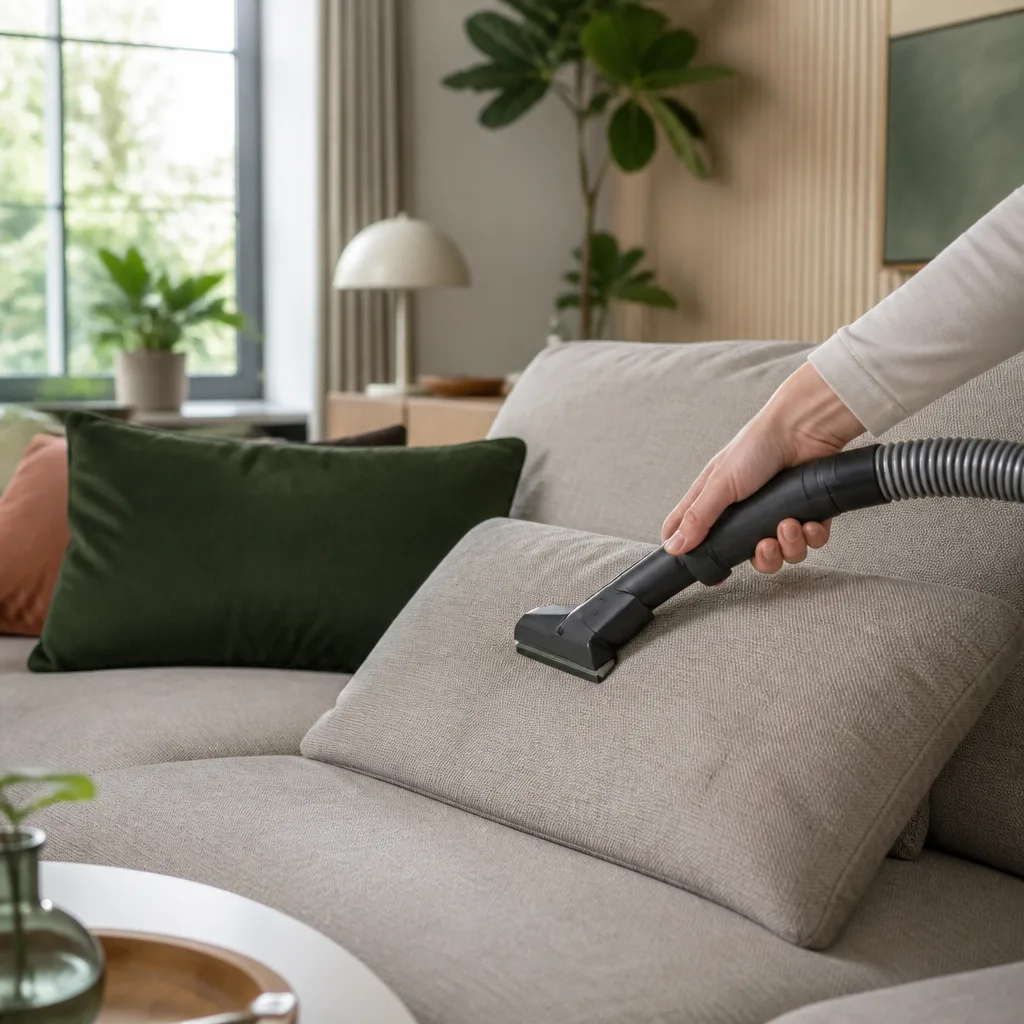
Vacuuming your sofa weekly, or every couple of weeks in a lower traffic room, removes dust, crumbs and grit before they work down into the weave. Grit in particular acts like sandpaper against fibres every time someone sits down, so regular vacuuming with a soft upholstery attachment slows wear noticeably. Pay attention to seams, the gap beside arm rests, and under loose cushions, where debris tends to collect unnoticed. If your sofa has removable legs or sits close to the floor, it is worth occasionally pulling it out and vacuuming underneath too, since dust and pet hair collect there just as readily as on visible surfaces.
Rotate and flip loose seat and back cushions every one to two weeks if they are reversible, and simply plump and reposition fixed or single sided cushions regularly. This evens out the compression that builds up in the spot people sit in most often, extending the life of the foam and keeping the sofa's overall shape looking even rather than dipped in the middle. On a sofa used daily by the same one or two people in the same seat, this single habit is often the biggest single factor in how even the cushions still look after a couple of years.
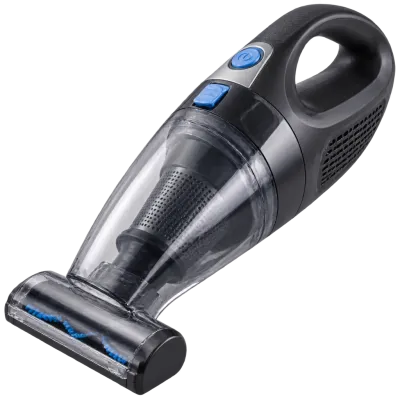 Matching productHandheld upholstery vacuumAmazon →
02
Sunlight and fading
Direct, prolonged sunlight fades both fabric dye and leather colour over time, and it can also dry out and weaken natural fibres and leather finishes faster than normal use alone. Where possible, position a sofa out of the strongest midday sun, or use curtains, blinds or UV filtering window film to reduce exposure during the brightest hours. If repositioning is not practical, rotating cushions and, where possible, occasionally turning the whole sofa slightly helps distribute any fading more evenly rather than leaving one obvious sun faded panel. Lighter, more muted colours generally show fading less obviously than strongly saturated or very dark tones, simply because the contrast between faded and unfaded areas is smaller to begin with.
03
Stain first aid
Act quickly on spills: blot liquid immediately with a clean, absorbent cloth, working from the outside of the mark inward, rather than rubbing, which can push a stain deeper into the fibres or spread it further. Scrape off solid spills gently with a spoon or blunt edge before blotting any remaining residue. Always check a cleaning code and test any product on a hidden area first, such as the underside of a cushion, before treating a visible stain.
Keep a small kit ready for accidents: a stack of clean white or light coloured cloths, so any dye transfer is easy to spot, a soft bristled brush, and whichever cleaning product matches your sofa's cleaning code. Having these to hand means you can respond within the first minute or two of a spill, which makes the biggest practical difference to whether a mark lifts fully or leaves a trace. For a full, material by material walkthrough of stain removal, including specific advice for wine, ink, grease and pet accidents, see our dedicated sofa stains guide.
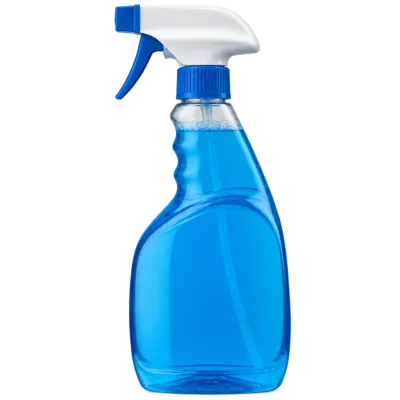 Matching productUpholstery cleanerAmazon →
04
Cleaning codes explained: W, S, WS and X
Many upholstery fabrics carry a cleaning code, usually on a swing tag or the underside of a cushion, that tells you which cleaning method is safe. Understanding these codes before you clean prevents avoidable damage, particularly water marks on fabrics that should only be dry cleaned.
| Code | Meaning | What to use |
|---|---|---|
| W | Water safe | Water based cleaner or mild soap and water, applied carefully |
| S | Solvent only | A water free, solvent based cleaning product, no water |
| WS | Water or solvent | Either a water based or a solvent based cleaner |
| X | Vacuum only | Vacuuming or gentle brushing only, no liquid cleaners |
When in doubt, or when a fabric carries no code at all, test any product on a hidden patch first and consider a professional upholstery cleaner for anything beyond light surface dirt, particularly on delicate or unlabelled materials.
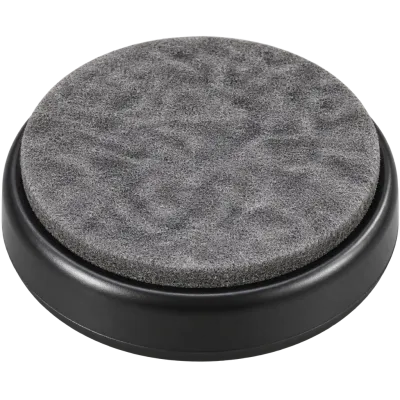 Matching productFurniture sliders and feet padsAmazon →
05
Care by material
Different upholstery materials need different routines, and using the wrong method, such as water on a solvent only fabric, or harsh cleaners on aniline leather, can cause lasting marks. The notes below cover the materials you will meet most often, alongside general habits that apply across most of them.
Leather
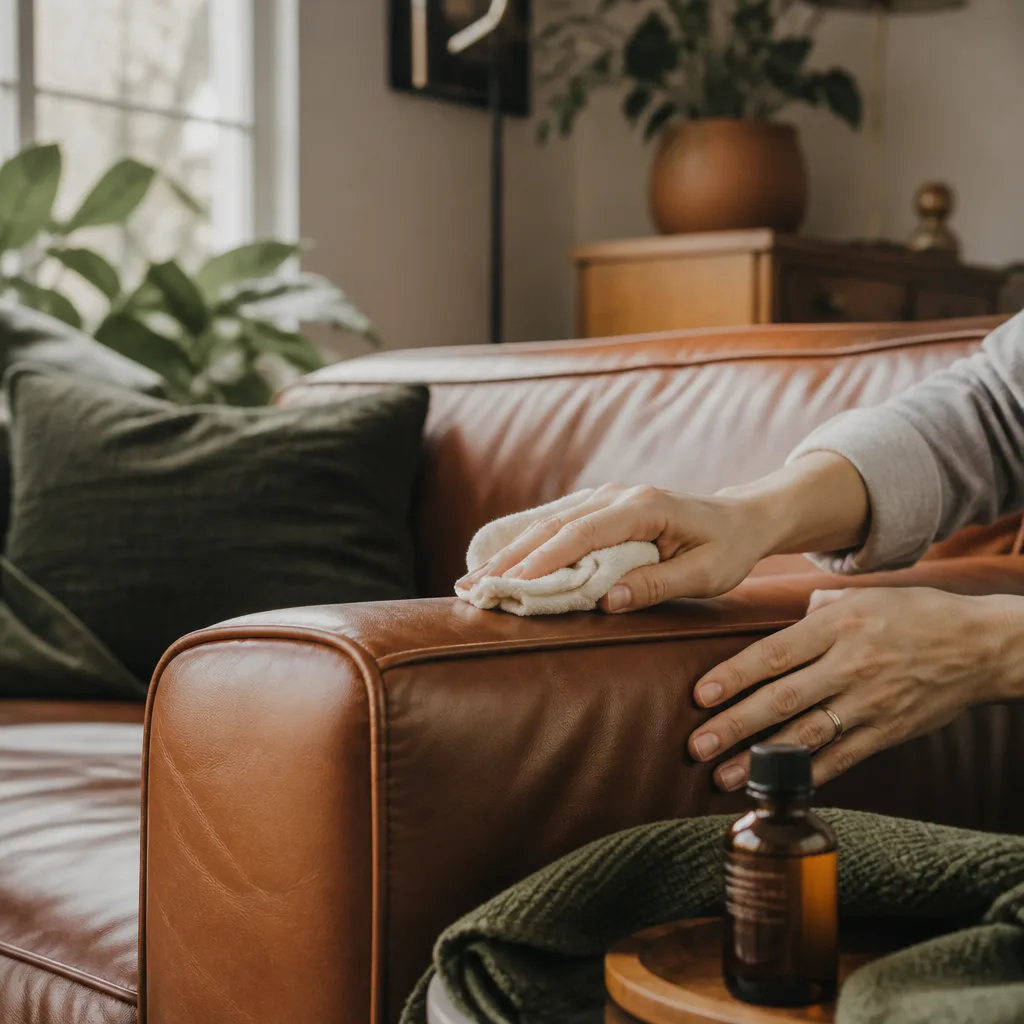
Dust and wipe leather regularly with a soft, slightly damp cloth, and condition it every few months with a leather conditioner suited to the specific leather type, since conditioning keeps the surface supple and helps prevent cracking. Aniline and semi-aniline leathers are more absorbent and show marks more readily than pigmented leather, so they need gentler, more careful cleaning and quicker attention to spills, while pigmented leather's protective surface coating makes it noticeably more forgiving of everyday wear. Keep leather away from direct heat sources such as radiators and fireplaces, which can dry and crack the surface over time, and avoid silicone based polishes, which can leave a sticky film that attracts more dust. Our leather sofa guide explains the different leather grades and how each one behaves in daily use.
Fabric
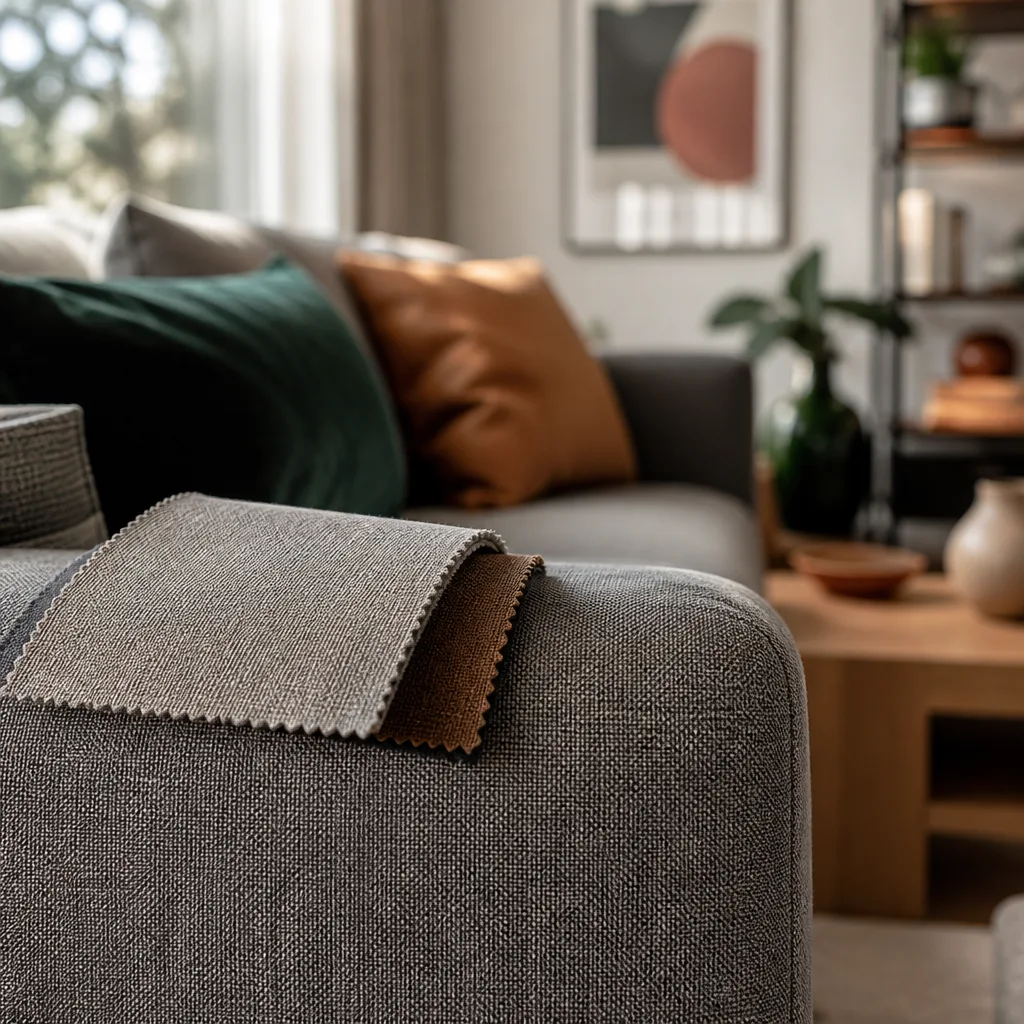
Vacuum regularly and follow the fabric's cleaning code for spot cleaning. Tightly woven, higher Martindale fabrics generally tolerate more frequent cleaning and everyday wear than looser, more decorative weaves, which are better suited to lower traffic rooms or occasional use pieces. Where a fabric sofa has removable, washable covers, check the wash temperature and drying instructions carefully, since some covers shrink noticeably if washed too hot or tumble dried. Our fabric guide compares common upholstery weaves in more detail.
Velvet
Velvet shows pressure marks and pile direction changes easily, which is a normal part of how the material behaves rather than damage. Brush gently with a soft, dry brush in the direction of the pile to restore its appearance, vacuum with a low suction, soft brush attachment, and avoid rubbing spills, which can crush and mat the pile further. Steam held a short distance away, without direct contact, can sometimes help lift flattened pile back into place on sturdier velvets, but test on a hidden area first.
Bouclé
Bouclé's looped, textured surface can snag on rings, buttons, buckles, zips and pet claws, so check jewellery and clothing before sitting where possible. Vacuum gently with a low powered brush attachment rather than a strong beater bar, which can pull at the loops, and treat spills quickly following the fabric's cleaning code. If a loop does snag and pull, resist the urge to cut it, and instead gently ease the loop back into place with a blunt needle or the end of a pin.
Microfibre
Microfibre is generally durable and relatively easy to maintain, tolerating regular vacuuming well. Many microfibre weaves respond well to a soft brush and water based cleaning, though water marks or rings can sometimes appear if a spot is over wetted, so blot rather than soak and always check the specific cleaning code first. A soft bristled brush used in small circular motions can also help lift ground in dirt from microfibre's dense pile between full cleans.
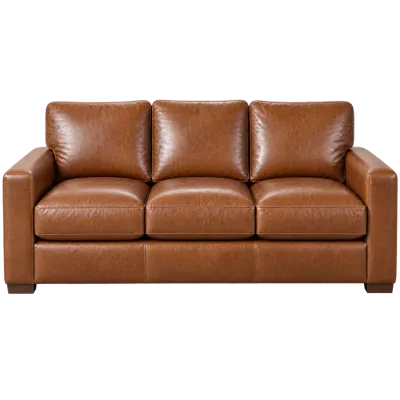 Matching productLeather sofaAmazon →
06
Care by material at a glance
| Material | Routine care | Watch out for |
|---|---|---|
| Leather | Dust, wipe, condition periodically | Direct heat, harsh cleaners, prolonged sun |
| Fabric (general) | Vacuum, spot clean per code | Ignoring the cleaning code, rubbing stains |
| Velvet | Brush with pile, low suction vacuum | Rubbing spills, crushing the pile |
| Bouclé | Gentle low power vacuuming | Snagging on claws, buttons, zips |
| Microfibre | Regular vacuuming, blot spills | Over wetting, water rings |
07
Living with pets
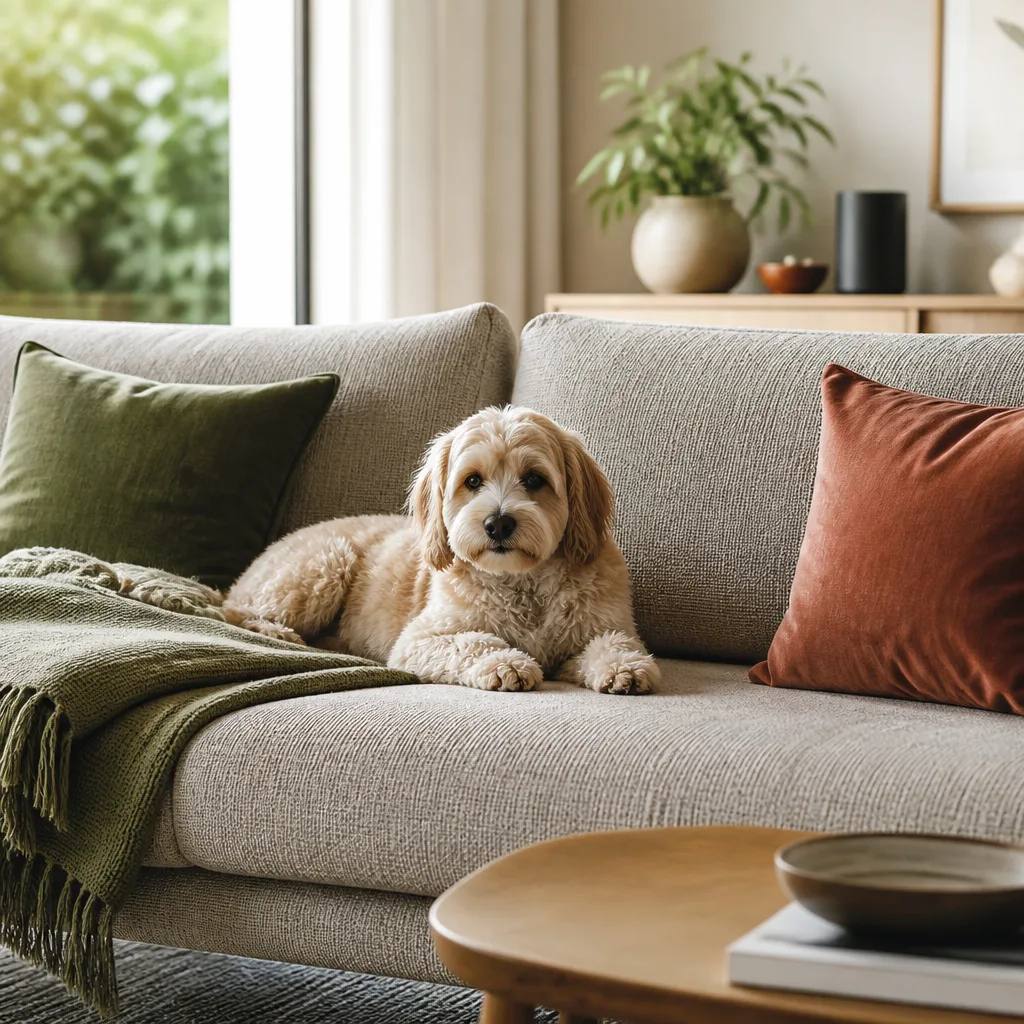
Pets bring particular challenges: fur, claws and occasional accidents. A tightly woven, higher Martindale fabric or a pigmented leather generally resists claws and everyday marks better than a delicate weave or an unfinished aniline leather. Vacuum fur regularly with a pet specific attachment or a rubber brush, which lifts embedded hair more effectively than a standard nozzle, and keep claws trimmed where you can, since this reduces snagging on woven or looped fabrics. A washable throw or slipcover over a favourite napping spot is a simple, low effort way to protect the upholstery underneath while still giving a pet a comfortable place to settle. Our sofa guide for pets and kids covers material choice and everyday habits for busy households in more depth, and our cushions guide looks at fillings and covers that hold up well to daily wear.
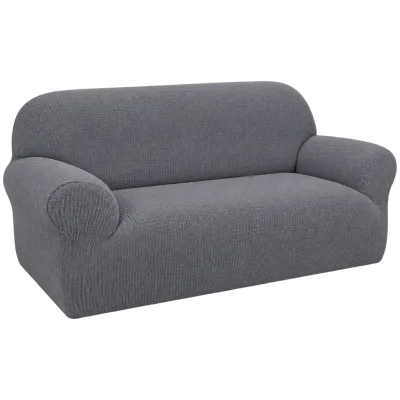 Matching productStretch sofa coverAmazon →
08
A simple seasonal routine
Beyond weekly vacuuming, a light seasonal rhythm keeps a sofa looking its best without turning care into a chore. Each season, check zips and seams for loose stitching, look underneath for dust that has settled beneath the sofa, and give cushions a firmer plump or, where possible, a longer airing near an open window. If the sofa sits somewhere that catches strong seasonal sun, such as a south facing room in summer, this is also a good moment to check whether cushions need rotating more often than usual to even out fading. None of these steps take long individually, but together they catch small issues, a loose thread, a slightly flattened corner, a faint mark, before they become larger problems.
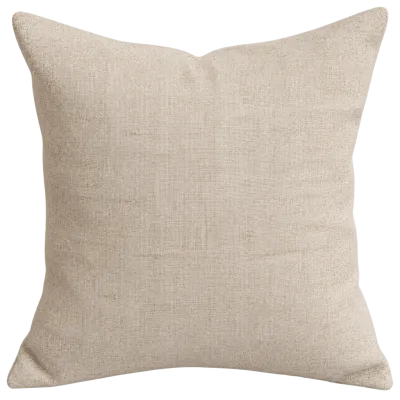 Matching productScatter cushionsAmazon →
09
Frequently asked questions
How often should I clean my sofa?
Vacuum weekly to every couple of weeks depending on use, rotate cushions every one to two weeks, and plan for a deeper clean, whether at home following the care code or with a professional, every six to twelve months depending on how heavily the sofa is used.
Can I use a household cleaner on any fabric sofa?
No. Always check the cleaning code first. A product safe for a water safe (W) fabric can leave permanent marks on a solvent only (S) fabric, and vice versa.
How do I stop my leather sofa from cracking?
Keep it away from direct heat and prolonged direct sunlight, dust it regularly, and condition it periodically with a product suited to the specific leather type to keep the surface supple.
Is professional cleaning necessary, or can I manage at home?
Routine vacuuming and prompt spot cleaning at home handle most everyday care, but a periodic professional clean is worth considering for deeper ground in dirt, older stains or delicate materials such as unfinished aniline leather or fine velvet.
Why does my sofa look uneven after a few months?
Uneven compression usually comes from sitting in the same spot repeatedly without rotating or plumping cushions. Regular rotation and plumping, as described above, generally restores a more even appearance over time.
Explore
Read next
 Sofa Types Explained: From Two Seater to SectionalAn overview of common sofa types, with a comparison table and links to deeper guides on sizing, materials and care.
 Sofa Buying Guide: How to Choose the Right SofaA step-by-step guide to buying a sofa, from measuring your room to checking frame, springs, foam and upholstery.
 Sofa Glossary: A to Z of Sofa TermsAn A to Z glossary explaining the terms you meet when shopping for a sofa, from leather grades to spring types.