
6 min read
Chesterfield Sofa Guide: History, Features and Styling
What makes a chesterfield a chesterfield, leather or velvet, and how this classic silhouette fits into today's interiors.
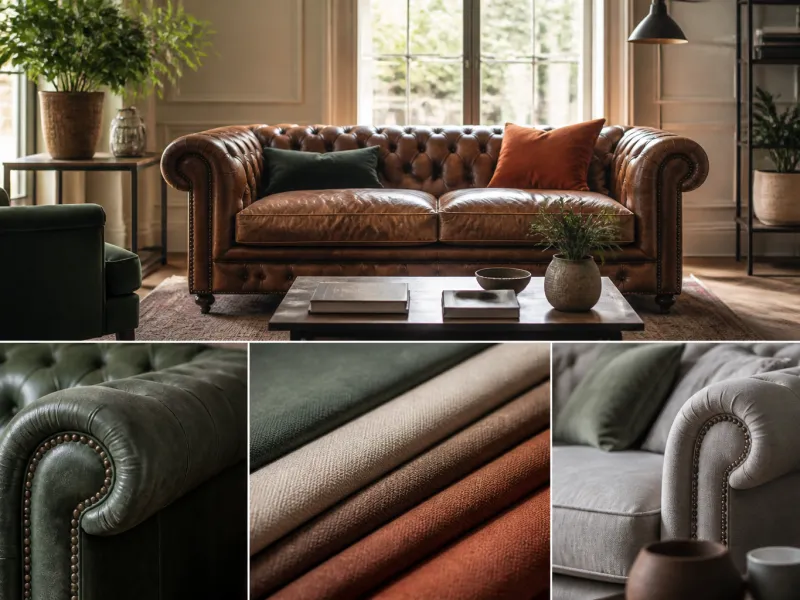
Few sofa silhouettes are as instantly recognisable as the chesterfield. Its deep buttoned back, rolled arms and low, substantial stance have stayed remarkably consistent for well over a century, which is part of why it still looks at home in both traditional studies and thoroughly contemporary living rooms. This guide explains where the shape comes from, the details that define a genuine chesterfield, how leather and velvet versions compare, and how the style fits into a modern room without feeling like a period piece.
For a wider view of how the chesterfield relates to other enduring designs, see our sofa styles guide, and for material choices beyond leather see sofa fabrics.
01
Where the chesterfield comes from
The name is generally traced back to an Earl of Chesterfield in eighteenth century England, though the deep-buttoned, low-backed sofa most people picture today became firmly established in the Victorian era, when advances in upholstery techniques made elaborate button work practical to produce at scale. The design was originally associated with gentlemen's clubs, libraries and smoking rooms, which is part of why leather chesterfields still carry a slightly formal, clubby association today. Over time the shape spread from these traditional settings into ordinary living rooms and has remained in continuous production ever since, a rare feat for any furniture design.
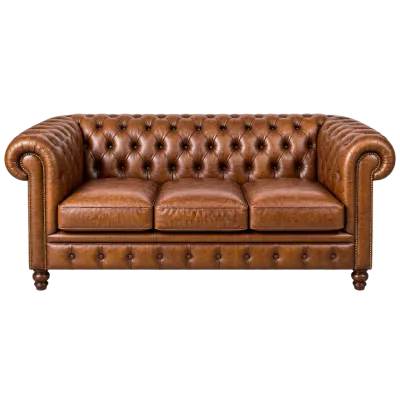 Matching productChesterfield sofaAmazon →
02
The defining features
Several details together define a true chesterfield, and a sofa missing most of them, however similar in general outline, is better described as "chesterfield inspired" rather than a genuine chesterfield.
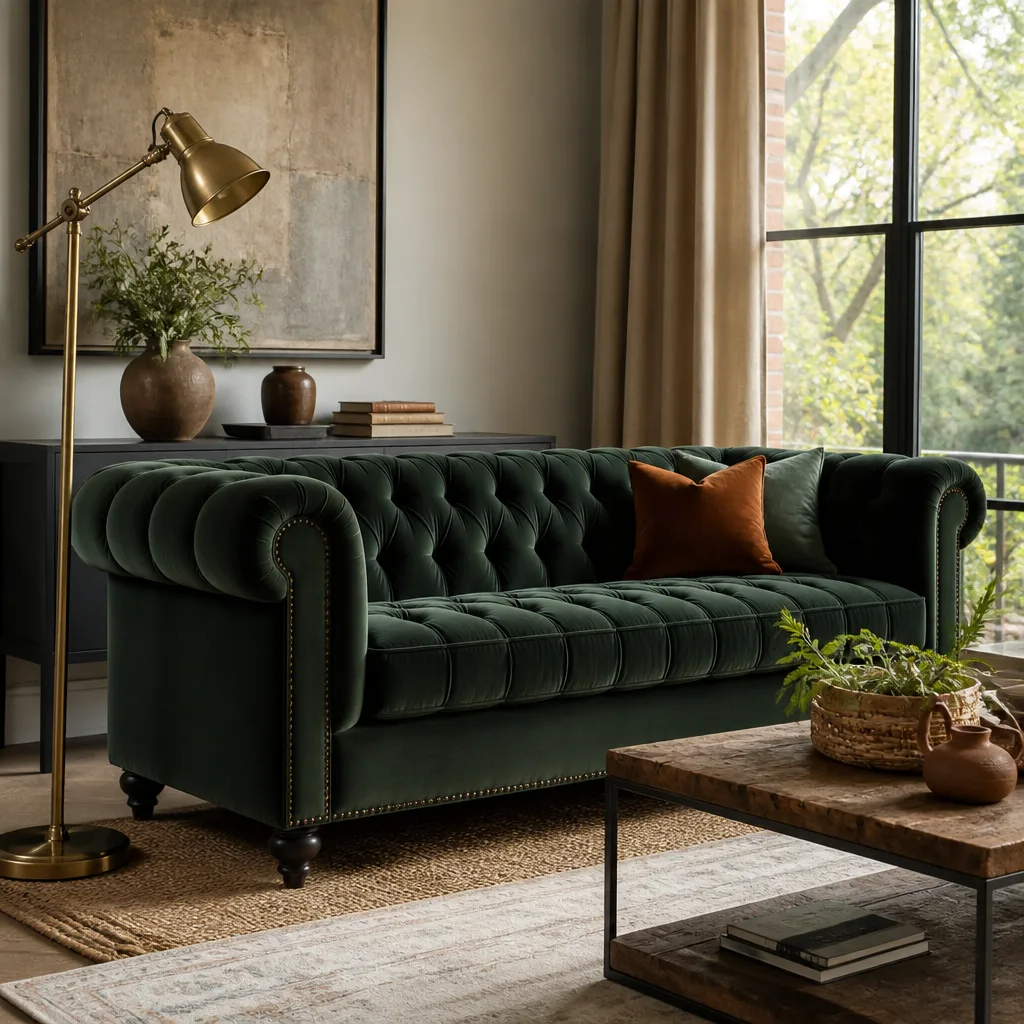
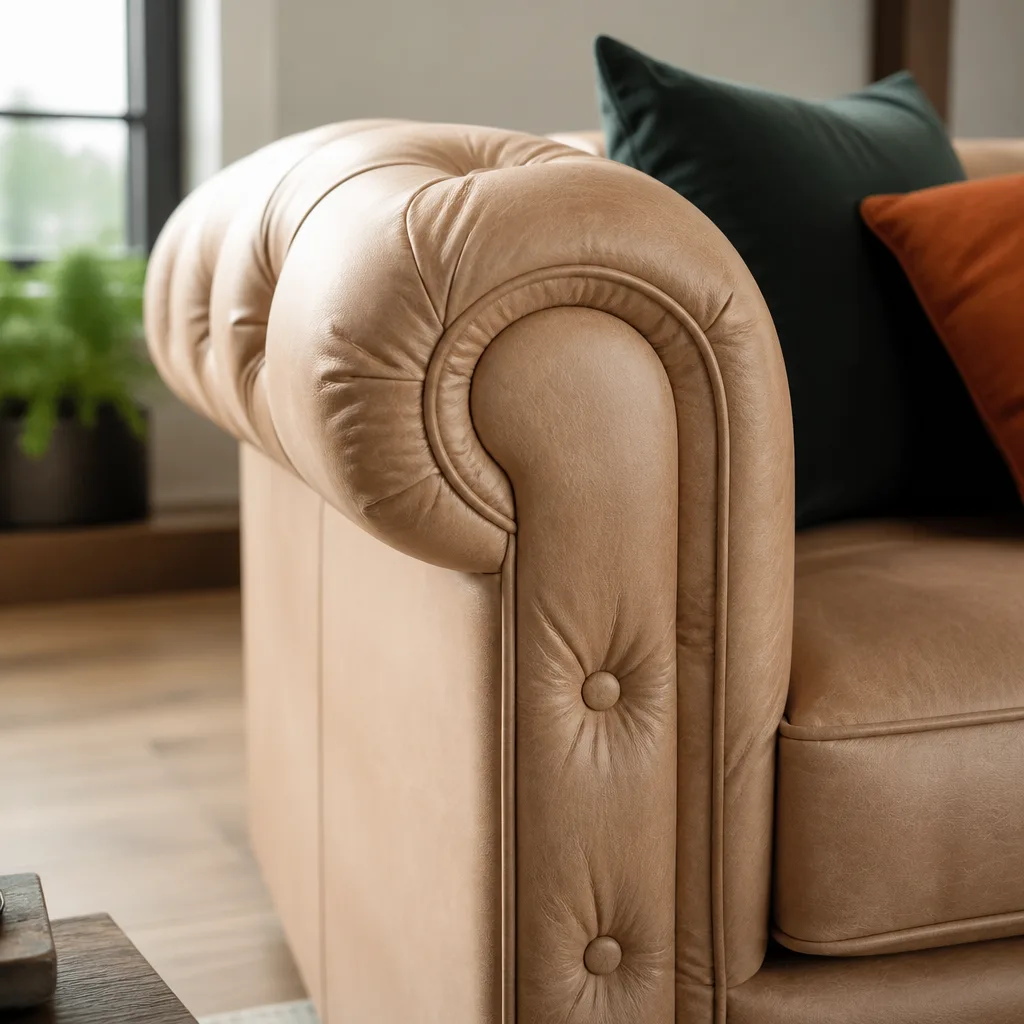
- Deep button tufting: buttons are pulled deeply into the upholstery across the back and often the arms, creating a diamond or grid pattern of folds. This is not a surface decoration but a structural technique that shapes the padding underneath.
- Rolled arms level with the back: the arms curve outward and roll over at the top, and critically, they sit at the same height as the back of the sofa, giving the chesterfield its distinctive continuous, unbroken top line.
- Low, wide stance: chesterfields sit low to the ground on short turned or bun feet, with a wide, substantial frame that reads as solid and grounded rather than light or airy.
- Nailhead trim: a row of decorative nailheads (or a nailhead-effect trim) often runs along the base of the arms and back, marking the edge where the upholstery meets the frame.
- Tight, structured upholstery: unlike a soft, loosely cushioned sofa, a chesterfield's back and arms are firmly upholstered over a solid internal structure, which is part of what allows the button tufting to hold its shape.
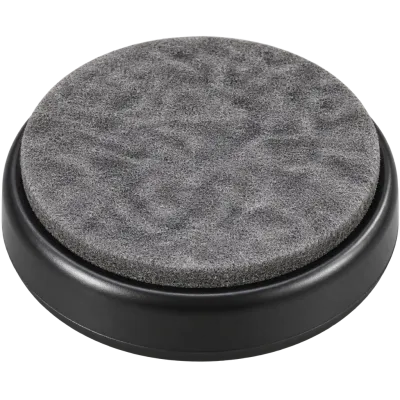 Matching productFurniture sliders and feet padsAmazon →
03
Leather chesterfields
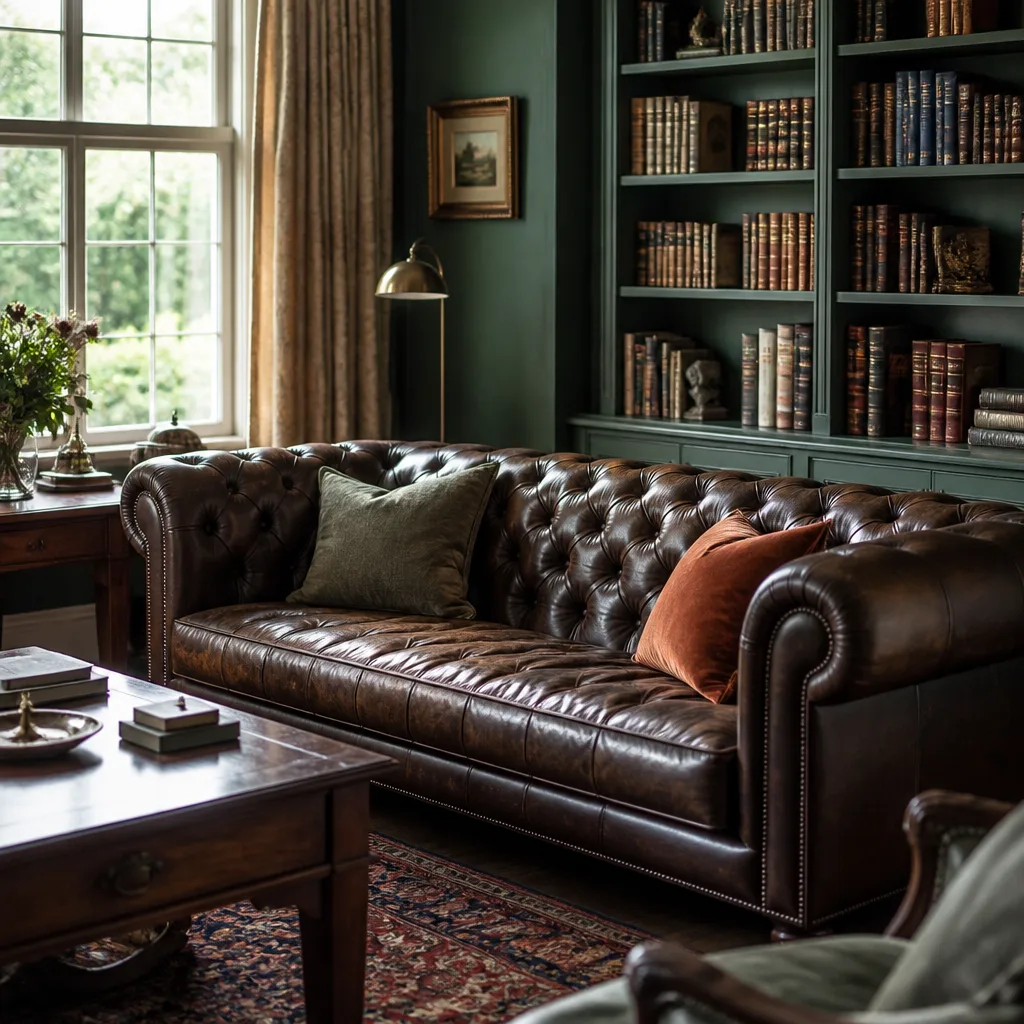
Leather is the material most associated with the chesterfield, and for good reason: a firm, structured leather holds the button tufting crisply and develops an attractive patina exactly where the design invites touch, along the rolled arms and the front edge of the seat. Full-grain or top-grain leather in a semi-aniline finish is a common choice for a chesterfield, since it balances a natural, slightly aged look with reasonable resistance to everyday wear. See our leather sofa guide for a full explanation of leather grades and finishes if you are comparing options.
A leather chesterfield tends to suit rooms with some traditional or classic detailing, a study, a library corner, or a living room with panelling or a fireplace, though a single leather chesterfield can also work as a grounding, characterful piece in an otherwise contemporary space.
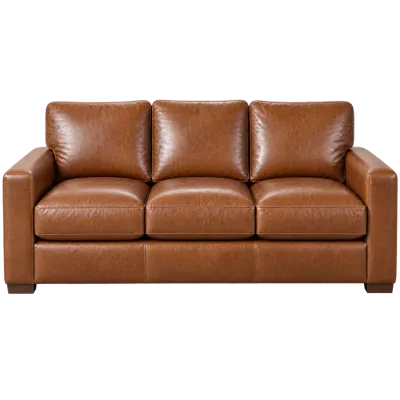 Matching productLeather sofaAmazon →
04
Velvet and fabric chesterfields
A velvet chesterfield softens the silhouette considerably. The same deep button tufting and rolled arms are present, but velvet's soft sheen and colour depth give the shape a plusher, more contemporary feel than leather. Jewel tones such as emerald, sapphire, deep plum or mustard are popular chesterfield colours in velvet, since the fabric's texture makes rich colour read as luxurious rather than overwhelming. Chesterfields are also made in wool, linen blend and other woven fabrics for a more understated, everyday look, though the structured tufting generally needs a fabric with enough body to hold its shape well, so very loose or stretchy weaves are less commonly used.
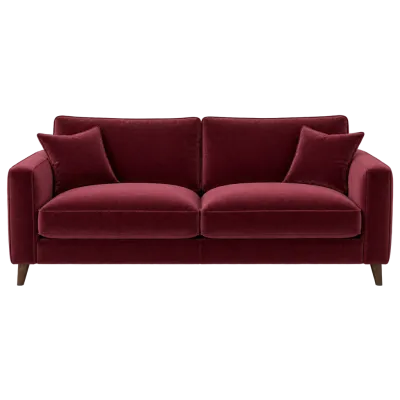 Matching productVelvet sofaAmazon →
05
Where a chesterfield fits in a modern interior
The chesterfield's strong, recognisable silhouette means it rarely disappears into a room the way a plainer sofa might, so it works best when that is treated as an advantage rather than something to work around. A few approaches consistently work well:
| Approach | Effect |
|---|---|
| Use it as the room's statement piece | Keep other furniture simpler and more contemporary so the chesterfield's detail stands out |
| Pair with mixed-era pieces | Combine with mid-century or industrial accents for a considered, layered look rather than a period set |
| Choose an unexpected colour | A velvet chesterfield in an unconventional colour reads as current rather than nostalgic |
| Scale it to the room | A two-seater or compact chesterfield style brings the shape into smaller rooms without overwhelming them |
06
Comfort and everyday practicality
Because a chesterfield's structure is tight and firmly upholstered rather than deeply cushioned, it tends to sit more upright than a soft, loose-cushioned contemporary sofa. Many people find this comfortable for conversation and reading, though it suits upright sitting better than fully reclined lounging. The low arms, sitting level with the back rather than raised above it, also mean a chesterfield offers less of a distinct armrest to lean sideways against than sofas with taller, separately shaped arms. If deep lounging comfort is the priority, it is worth sitting on a chesterfield in person before buying, since the experience differs noticeably from a plush, deep-seated contemporary sofa.
07
Caring for a chesterfield
The button tufting on a chesterfield needs a little extra attention compared with a plain, unbuttoned sofa, since dust and debris can settle into the folds around each button.
- Vacuum the tufted areas gently with a soft brush attachment every week or two, working into the folds around each button.
- On leather chesterfields, follow the general leather care routine of dusting, blotting spills immediately and conditioning a few times a year, paying particular attention to the creases around buttons, where leather can dry out slightly faster.
- On velvet or fabric chesterfields, brush the pile gently in one direction after vacuuming to keep the nap looking even, and check the care label before attempting to spot clean, since some velvets need professional cleaning for stubborn marks.
- Check button threads periodically. On a well-made chesterfield, buttons are secured deep into the frame and rarely come loose, but on lower-quality pieces a stray thread is worth having repaired promptly before it unravels further.
For stain-specific advice on both leather and fabric, see our sofa stains guide.
 Matching productUpholstery cleanerAmazon →
08
Frequently asked questions
What makes a sofa a genuine chesterfield rather than just a buttoned sofa?
The combination matters most: deep button tufting, rolled arms sitting level with the back, a low wide stance, and typically a nailhead trim. A sofa with only buttoning but arms lower than the back, or a very soft loose-cushioned structure, is closer to a general buttoned style than a true chesterfield.
Is a chesterfield comfortable for everyday lounging?
It suits upright sitting, conversation and reading very well, but its firm, structured upholstery makes it feel different from a deep, softly cushioned contemporary sofa. If full reclined lounging is your priority, try sitting on one before buying.
Does a chesterfield suit a modern living room?
Yes, particularly when paired with simpler, more contemporary surrounding furniture or chosen in an unexpected colour, such as a bold velvet. The strong, recognisable shape reads as a deliberate style choice rather than dated when it is not surrounded by other period pieces.
Which is more durable, a leather or velvet chesterfield?
A good quality leather generally withstands daily wear and scuffs better over the long term and is easier to wipe clean, while velvet offers a softer feel and richer colour range but needs more careful cleaning and is more prone to showing pile marks and pressure lines.
Can a chesterfield be reupholstered?
Because the button tufting is structural rather than decorative, reupholstering a chesterfield is a specialist job best left to an upholsterer experienced with deep buttoning, but a well-built frame with quality springs can often support more than one reupholstery over its lifetime.
Explore
Read next
 Sofa Types Explained: From Two Seater to SectionalAn overview of common sofa types, with a comparison table and links to deeper guides on sizing, materials and care.
 Sofa Buying Guide: How to Choose the Right SofaA step-by-step guide to buying a sofa, from measuring your room to checking frame, springs, foam and upholstery.
 Sofa Care and Cleaning: A Guide by MaterialHow to clean and care for your sofa by material, with cleaning codes, a care table and quick stain first aid.