
6 min read
Sofa or Couch: Words, History and World Usage
Where the words sofa and couch come from, how usage differs around the world, and a short history of upholstered seating.
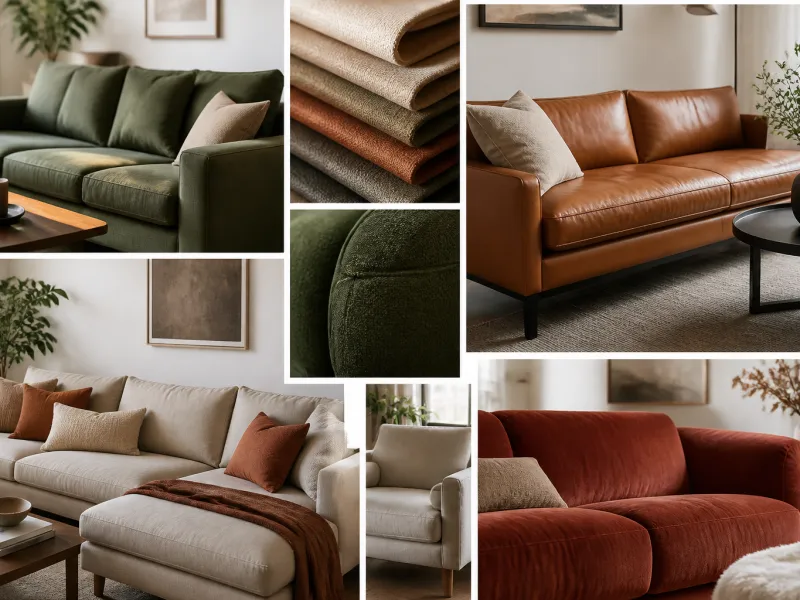
Sofa, couch, settee, divan, chesterfield, davenport: English has an unusually large vocabulary for what is, at heart, the same basic idea, a long upholstered seat for more than one person. Which word a person reaches for often says more about where they grew up, or which generation they belong to, than about any real difference in the furniture itself.
This guide traces where these words came from, how usage differs by region, how other languages describe the same piece of furniture, and how the sofa itself developed from ancient seating into the piece found in most living rooms today.
01
Sofa, couch and settee
The word sofa traces back through French and Italian to the Arabic suffah, referring to a raised, carpeted section of a floor used for sitting or reclining, itself connected to a broader Middle Eastern and Ottoman tradition of low, cushioned seating areas. The word entered English in the seventeenth century and has remained the most common general term for upholstered multi-seat furniture in British and international English ever since.
Couch comes via French couche, related to the verb coucher, meaning to lie down, and originally described a bed or a place to recline rather than a seat for sitting upright. Over time, especially in North American English, couch became largely interchangeable with sofa in everyday speech, while in British English it is used a little less often, sometimes carrying a slightly more casual or older fashioned tone.
Settee, a diminutive form related to settle (a long bench, often with a high back and arms, historically found in halls and public rooms), came to describe a smaller, often more formal upholstered seat for two or three people. In much of the English speaking world settee has become less common in everyday use, though it persists in some regional British usage.
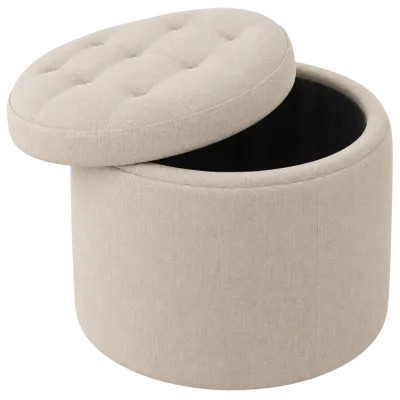 Matching productStorage ottomanAmazon →
02
Divan, chesterfield and davenport
A few further words describe more specific historical forms rather than general synonyms.
Divan originally referred, like sofa, to a raised seating platform in Ottoman and Persian interiors, and later, via French, came to describe a backless or low backed upholstered couch, sometimes used as a daybed. Today divan is more commonly associated with a type of upholstered bed base than with living room seating in most English speaking regions, though the word's furniture heritage runs directly through the same tradition as sofa.
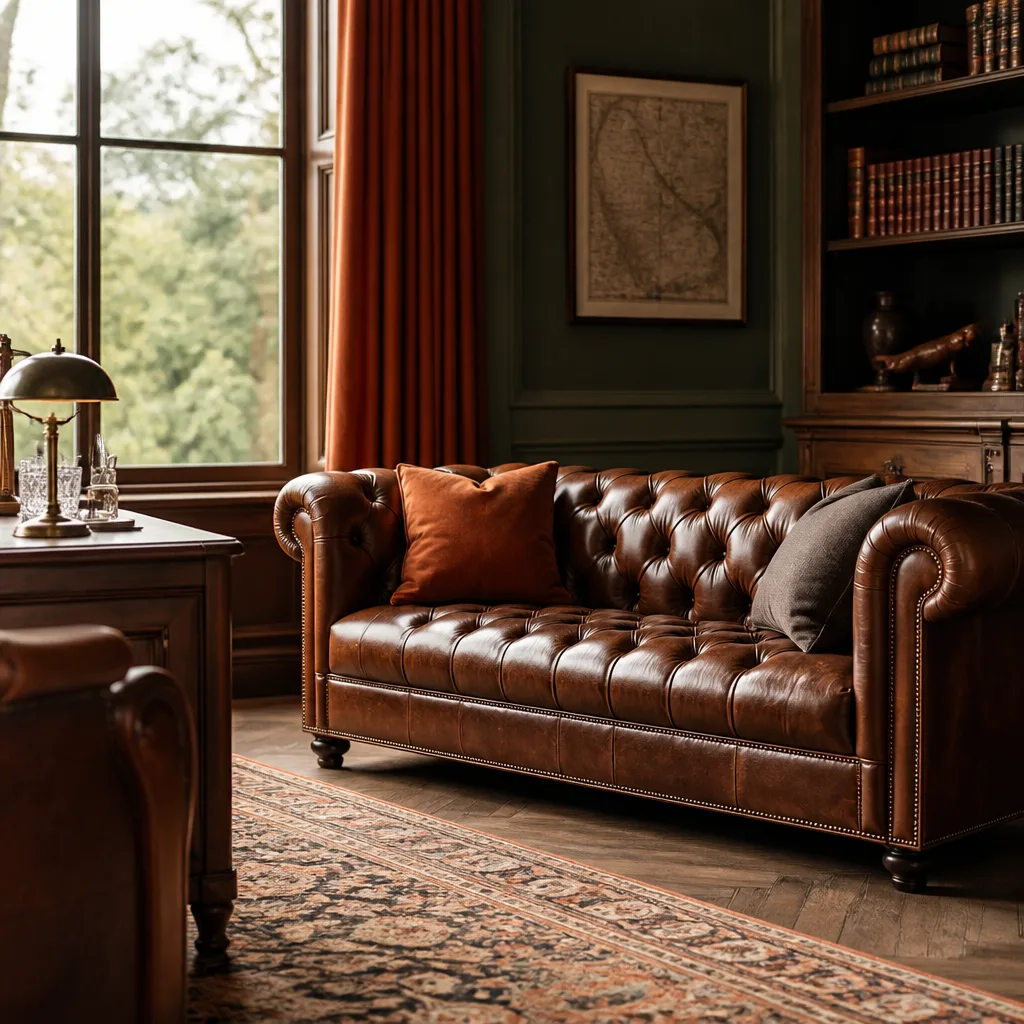
The chesterfield is named, by tradition, after an Earl of Chesterfield associated with its distinctive design: deep buttoning, rolled arms level with the back, and a fully tufted leather or fabric surface. Unlike sofa or couch, chesterfield refers to a specific, recognisable style rather than a general category of furniture.
Davenport has a more unusual history. In North American English, particularly in the earlier twentieth century, davenport became a regional term for a large upholstered sofa, possibly linked to a furniture manufacturer of that name, and it survives today mainly as an older fashioned or regional term rather than common current usage.
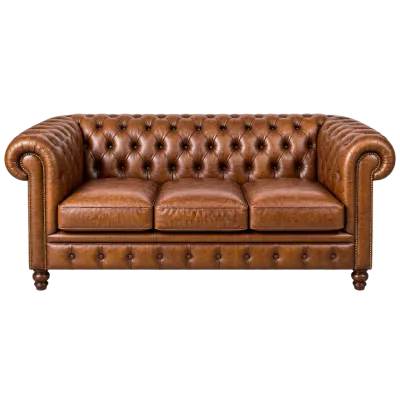 Matching productChesterfield sofaAmazon →
03
Regional usage around the English speaking world
The choice between sofa and couch varies noticeably by region and generation.
| Region | Most common term | Notes |
|---|---|---|
| United Kingdom | Sofa | Couch is understood and used, but sofa is the more standard, neutral term |
| United States and Canada | Couch and sofa | Both terms are extremely common and largely interchangeable in everyday speech |
| Australia and New Zealand | Couch and lounge | Lounge (as a noun for the piece of furniture, not just the room) is also widely used |
| Ireland | Sofa and couch | Both used, broadly similar pattern to the UK with regional variation |
Across all these regions, the words describe the same underlying furniture, so there is no meaningful functional difference between a sofa and a couch. Settee, divan, chesterfield and davenport are used far less frequently today, and where they do appear, they often carry a more specific stylistic or regional flavour rather than serving as everyday general terms.
04
How other languages name the same furniture
Many other European languages borrowed the same root word as English, while a few developed entirely separate terms.
| Language | Common word(s) |
|---|---|
| German | Sofa, Couch |
| French | Canapé, sofa |
| Spanish | Sofá |
| Italian | Divano |
| Dutch | Bank |
| Portuguese | Sofá |
German uses both Sofa and Couch, often somewhat interchangeably, echoing the English pattern. French canapé has a separate origin, related to a word for a bed or seat with a canopy or netting, and is now the everyday French term regardless of that older meaning. Italian divano descends from the same Ottoman and Middle Eastern root as the English word divan, though in Italian it became the standard, everyday word for the general category rather than a specific style. Dutch bank, meaning bench, took a different path entirely, using a native word rather than borrowing one. Spanish and Portuguese both use close relatives of sofa, reflecting the word's wide spread through Romance languages.
05
A short history of the sofa
Long upholstered seating has ancient roots. In ancient Egypt and Mesopotamia, low couches and raised platforms softened with cushions and textiles served both seating and reclining purposes, often reserved for people of higher status. Ancient Greek and Roman dining customs made particularly heavy use of reclining couches, where guests ate lying on one side, a practice that shaped the word and concept of the couch as a place to recline rather than sit upright.
The direct ancestor of the modern sofa's name comes from the Ottoman and wider Islamic world, where a raised, richly cushioned platform along a room's walls, the suffah, formed the main seating area in many interiors. As trade and cultural exchange brought this idea into Europe from the seventeenth century onward, the word and the general concept of a long, soft, upholstered seat for multiple people spread into French and then English.
Through the eighteenth and nineteenth centuries, sofa design in Europe grew increasingly elaborate, reflecting advances in upholstery techniques, spring construction and fabric weaving. The Victorian era in particular produced heavily padded, deeply buttoned forms, including the style that became known as the chesterfield, alongside more delicate settees influenced by earlier eighteenth century furniture making.
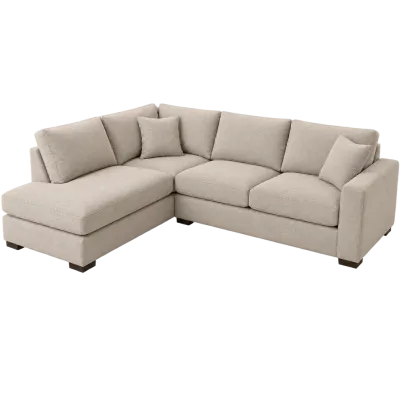
The twentieth century brought major changes in both construction and style. Industrial production made upholstered furniture far more widely affordable than it had been for earlier generations, while modern materials such as foam padding and later structural steel and engineered wood frames changed how sofas were built inside. Design movements through the century, from streamlined mid-century forms to the sculptural shapes associated with Italian design, pushed the sofa's silhouette in new directions while keeping its essential purpose unchanged. Today's sofas, whether a compact small space sofa, a large corner sofa, or a fold out sofa bed, all descend from that same long tradition of soft, shared, upholstered seating.
 Matching productCorner sofaAmazon →
06
Frequently asked questions
Is there a real difference between a sofa and a couch?
No meaningful functional difference exists between the two in modern usage. The choice between sofa and couch mostly reflects regional habit and personal preference rather than any difference in the furniture itself.
Why do some people still use the word settee?
Settee remains part of some regional and generational British usage, generally referring to the same kind of upholstered multi-seat furniture as sofa, though it is heard less often in everyday speech today than in previous decades.
Is a chesterfield a type of sofa or a brand?
Chesterfield describes a specific, recognisable style, deep buttoning, rolled arms level with the back, rather than a brand name, and any manufacturer can produce a sofa in this traditional style.
Where does the word sofa actually come from?
Sofa traces back through French and Italian to the Arabic suffah, describing a raised, cushioned seating platform, reflecting the furniture's roots in Middle Eastern and Ottoman interior design.
Do other countries use the English word sofa?
Several languages, including German, Spanish and Portuguese, use a close relative of the English word sofa, while others, such as Italian divano, French canapé and Dutch bank, developed or borrowed different terms for the same general piece of furniture.
Explore
Read next
 Sofa Types Explained: From Two Seater to SectionalAn overview of common sofa types, with a comparison table and links to deeper guides on sizing, materials and care.
 Sofa Buying Guide: How to Choose the Right SofaA step-by-step guide to buying a sofa, from measuring your room to checking frame, springs, foam and upholstery.
 Sofa Care and Cleaning: A Guide by MaterialHow to clean and care for your sofa by material, with cleaning codes, a care table and quick stain first aid.